
Winter Survival Skills: Remote Camping Trip in Northern Ontario
When most people think of “school trip,” they imagine buses, permission slips, and maybe a museum visit. In North Caribou Lake, school trips look very different. They look like snowmobiles, traplines, and temperatures that plunge to -40°C.
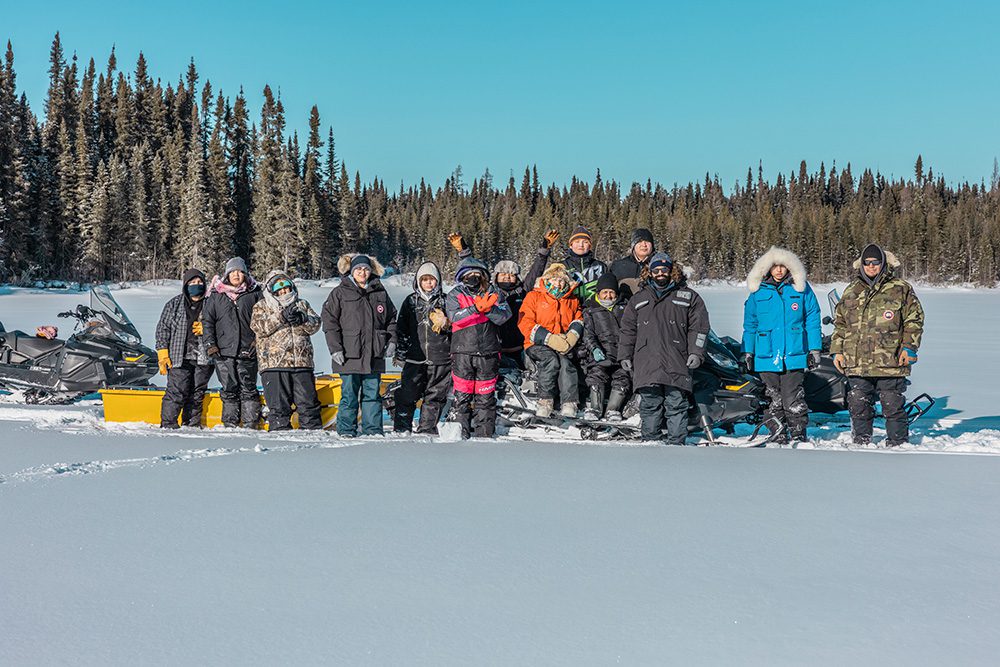
I had the extraordinary opportunity to document a winter camping expedition with North Caribou Lake High School. This a trip that went far beyond teaching survival skills. This was about cultural preservation, practical life education, and preparing young people for the realities of life in remote Northern Ontario.
Two Hours Into the Wilderness
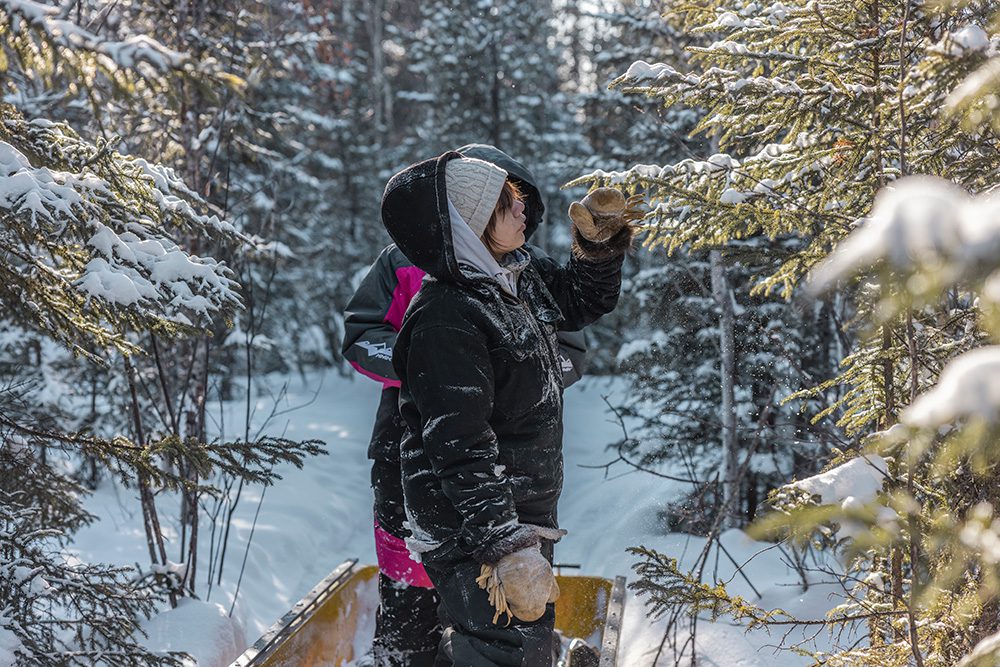
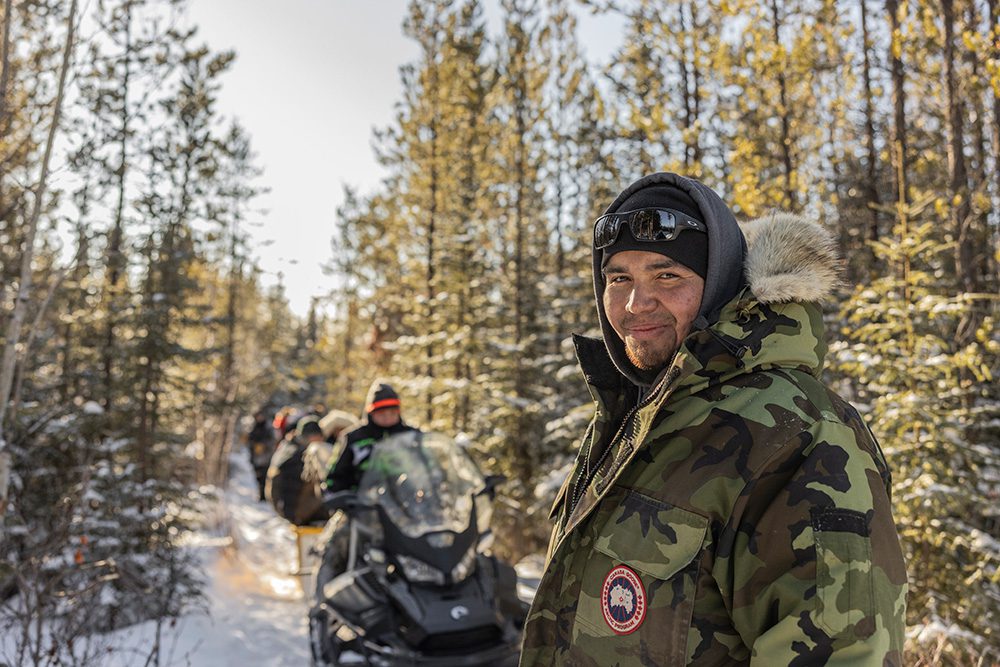
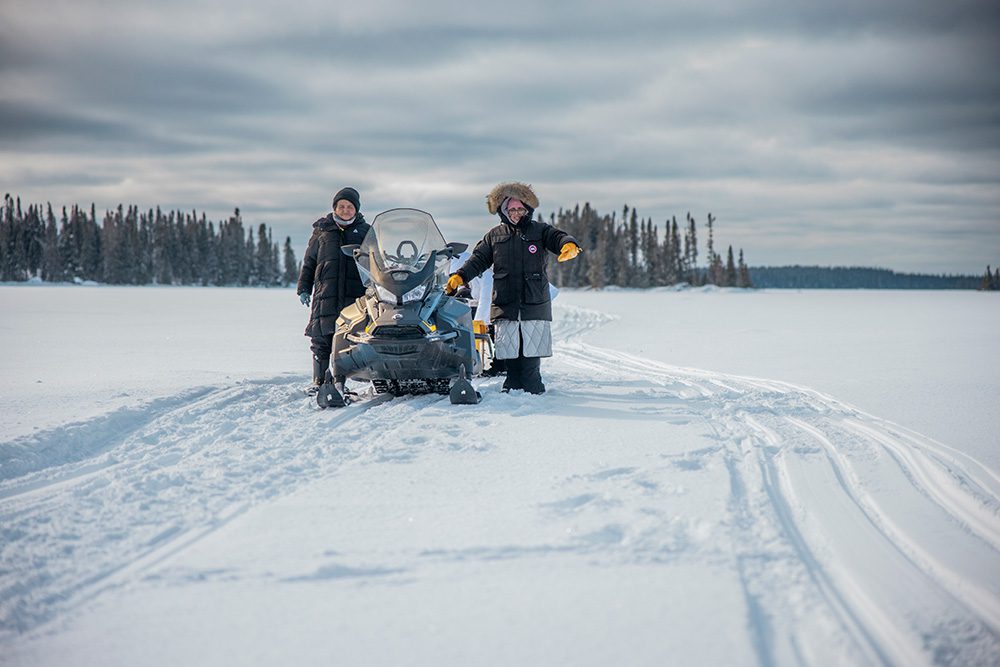
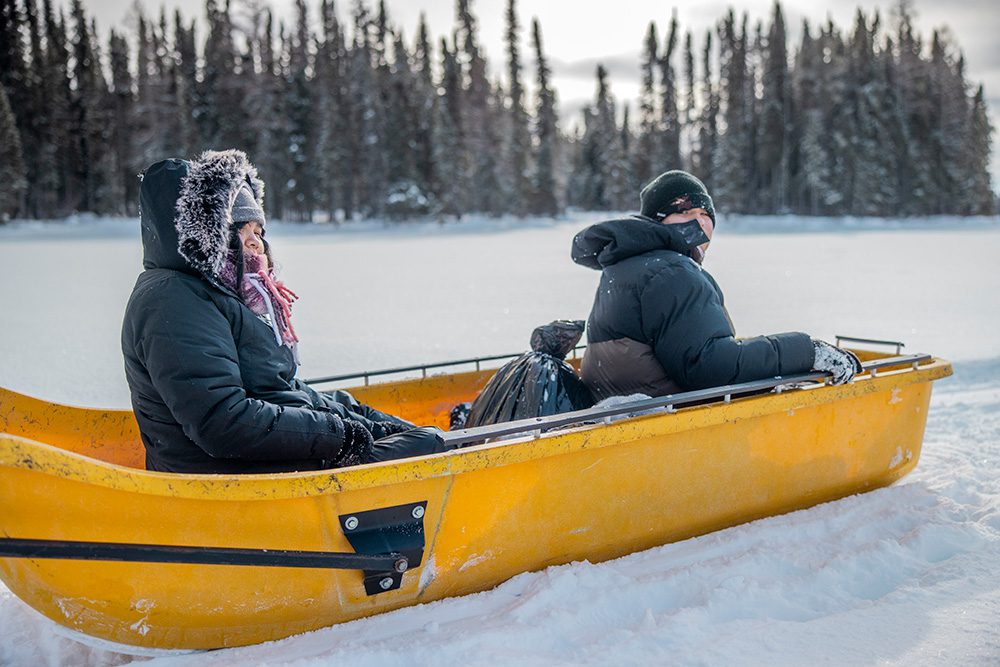
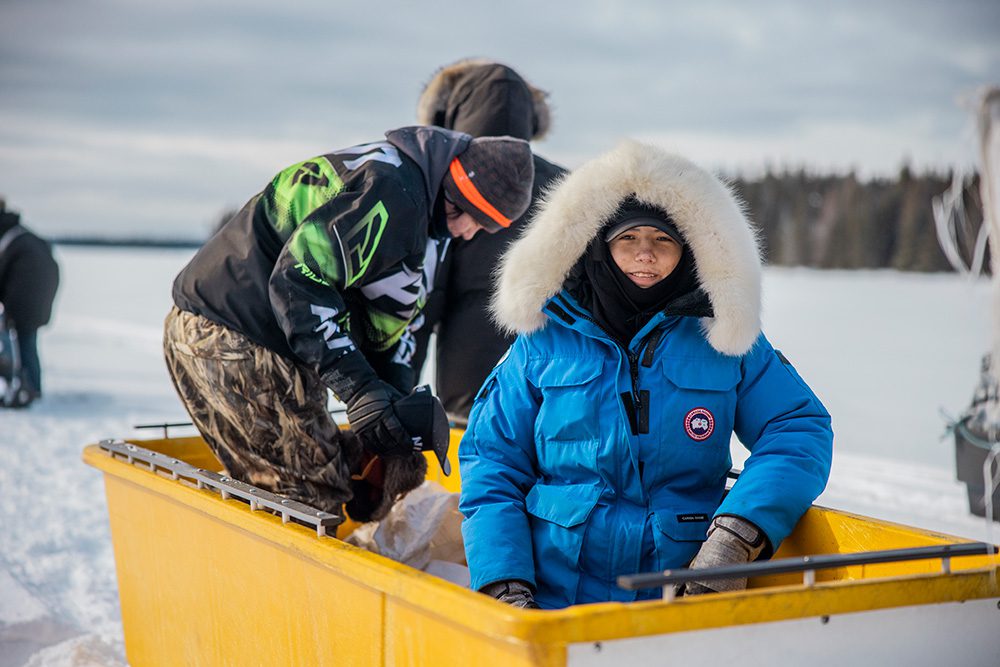
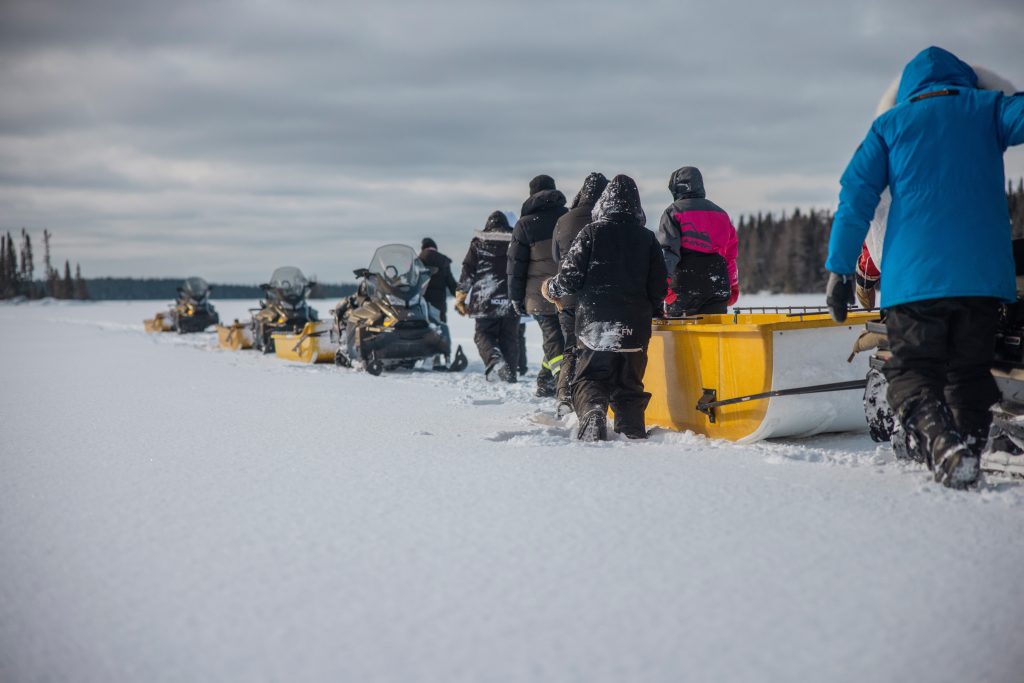
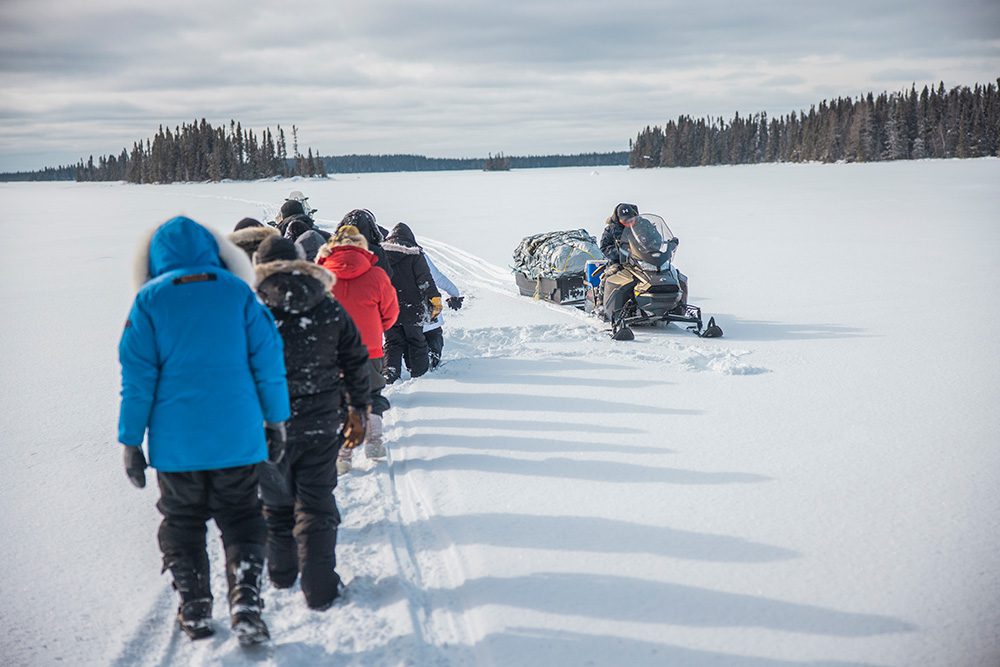
The journey itself was the first lesson. Students and educators loaded up snowmobiles and bright yellow sleds with camping equipment, safety gear, and supplies, then headed out across frozen lakes and through snow-covered forests.
Two hours. That’s how far we traveled from town to reach our camping destination. In that time, students learned critical lessons about:
Snowmobile Safety: Proper operation, maintenance checks, traveling in groups, staying on safe ice, and understanding weather conditions that could turn dangerous.
Winter Travel Protocols: The importance of letting people know your route and expected return time. Before we left, the town was informed of our plans. This is a crucial safety practice in remote areas where help isn’t just a phone call away.
Route Navigation: Understanding landmarks, reading terrain, and knowing how to find your way in a landscape that can look uniform and disorienting when covered in snow.
The trip wasn’t just transportation. It was education in motion.
Winter Survival Skills at -40°C
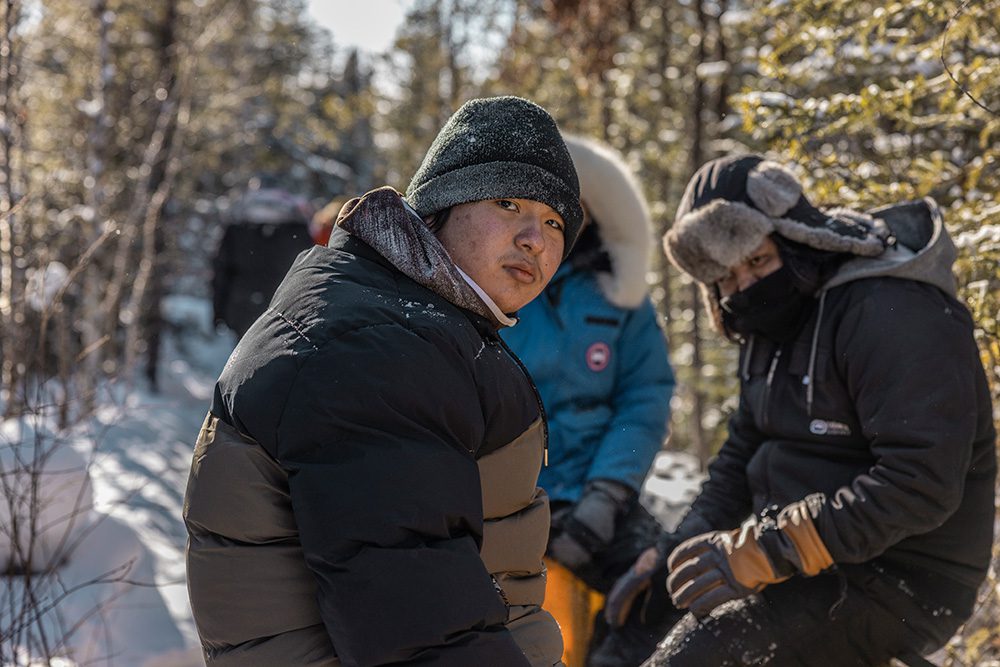
When temperatures drop to -40°C, survival isn’t theoretical. It’s urgent and practical. Students learned skills that could one day save their lives or the lives of others.
Essential Skills Covered:
Shelter and Warmth: How to assess shelter locations, maintain heat sources safely, and recognize signs of hypothermia or frostbite in yourself and others.
Tree Cutting: Proper techniques for safely felling trees for firewood and shelter construction. Skills that require strength, knowledge, and serious respect for the danger involved.
Fire Building and Maintenance: In extreme cold, fire isn’t optional. Students learned how to build fires in winter conditions, maintain them safely, and ensure they had backup heat sources.
Clothing and Gear Management: What to wear, how to layer, when to change wet clothing, and how to protect extremities. At -40°C, one mistake can lead to serious injury.
Food and Energy Management: How much food your body needs in extreme cold, how to stay hydrated (dehydration happens quickly in winter), and how to conserve energy while staying active enough to stay warm.
Communication: Regular check-ins with the town, knowing when and how to call for help, and understanding the limitations of communication technology in remote areas.
These aren’t skills you learn from a textbook. They’re learned by doing, by experiencing, and by being guided by people who’ve lived this reality their entire lives.
Life Skills Beyond Survival
The camping trip wasn’t all intensity and challenge. Some of the most valuable lessons came from the quieter moments, the ones that teach you how to live, not just survive.
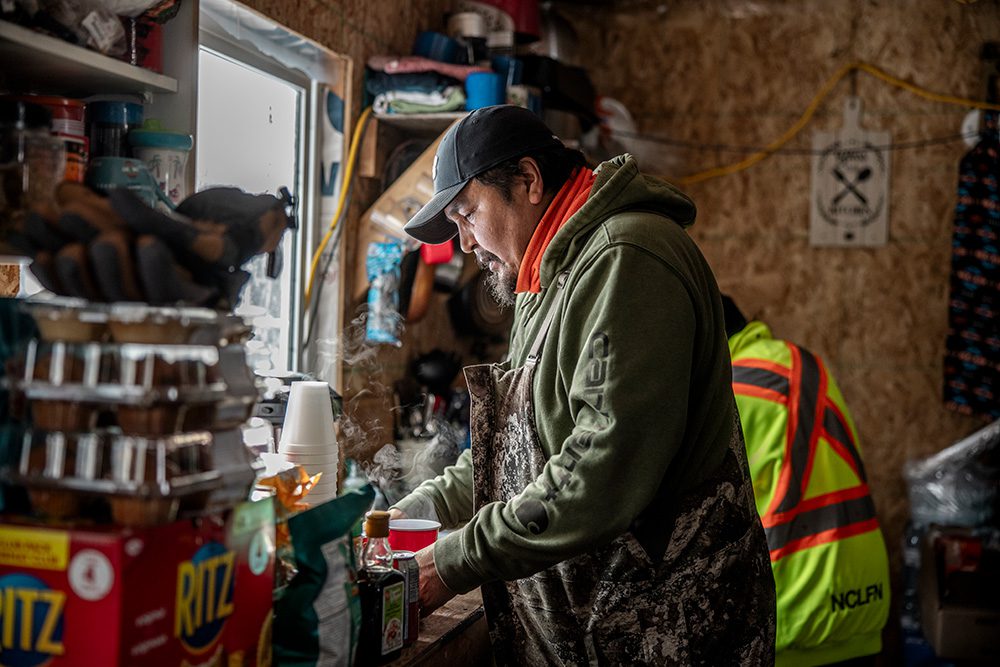
Camp Management: Students learned organization, cleanliness, food preparation, equipment care, and the importance of maintaining order even in challenging conditions. These skills translate directly to independence and responsibility in all areas of life.
Teamwork and Community: No one survives alone in -40°C. Students learned to watch out for each other, share responsibilities, communicate needs, and work as a cohesive unit. These social skills are just as critical as the technical ones.
Problem-Solving: When something goes wrong in remote wilderness, you can’t call for immediate help. Students learned to assess problems, think creatively, use available resources, and make decisions under pressure.
Mental Resilience: Perhaps most importantly, students learned that they’re stronger than they thought. They learned to push through discomfort, stay positive in harsh conditions, and find joy even when things are difficult.
The Fun Stuff: Because Joy Matters Too
All work and no play isn’t the northern way. Between the serious survival education, there was laughter, play, and memory-making.
Tubing behind snowmobiles became a highlight. Students bundled up, holding on tight as they were pulled across the snow, screaming with delight and occasionally tumbling into soft snowbanks.
Board games in the warmth of the shelter brought everyone together in the evenings. Competition, storytelling, and the kind of bonding that happens when people are removed from the distractions of modern life.
Shared meals cooked together and eaten as a community reminded everyone that food is about more than sustenance. It’s about connection.
These moments of joy weren’t separate from the education. They were part of it. They taught students that even in harsh conditions, even when life is difficult, there’s always room for happiness, community, and celebration.
Why This Kind of Education Matters
Programs like this winter camping trip do something that traditional classrooms often can’t: they prepare young people for their actual lives.
Cultural Preservation: Traditional knowledge is living knowledge—it must be practiced, experienced, and passed down. This trip keeps cultural practices alive and relevant for the next generation.
Practical Preparedness: Students in remote Northern communities will face winter emergencies, equipment failures, and situations where survival knowledge is necessary. This education could literally save lives.
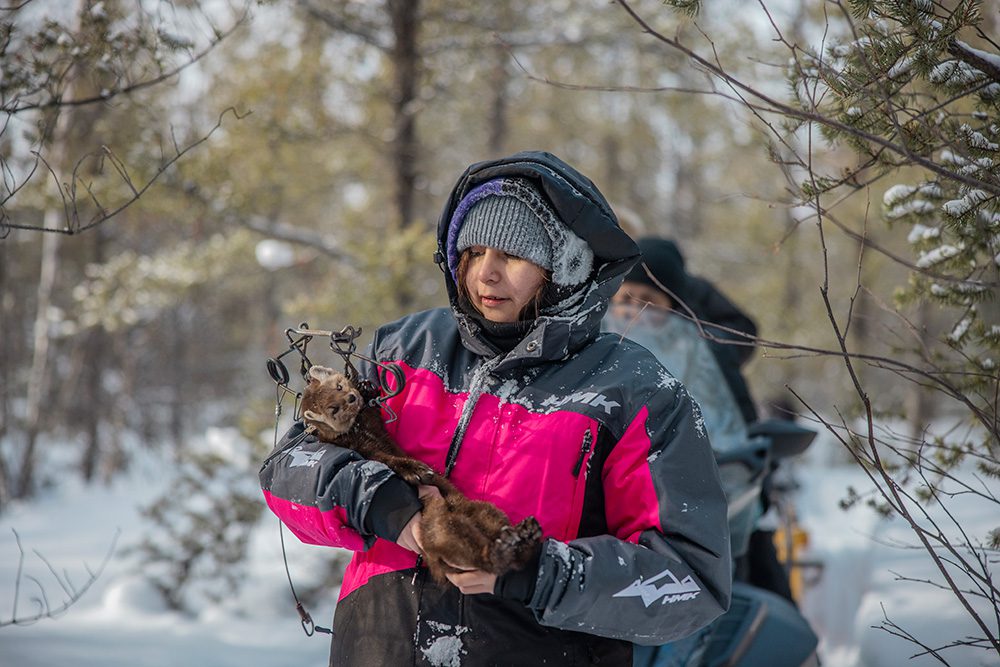
Confidence Building: When you’ve survived -40°C, checked traplines, and mastered skills your ancestors used, you carry that confidence into every other area of life.
Connection to Land: Understanding how to live with and from the land creates environmental stewardship and respect that no textbook can teach.
Community Bonds: Shared experiences like this create lifelong connections between students, educators, elders, and community members.
Life Readiness: These students leave high school with practical skills that many adults never acquire—skills that make them capable, resilient, and prepared for whatever life brings.
Documenting the Experience
As a photographer documenting this trip, I was acutely aware of my role. I wasn’t just there to capture beautiful images. I was there to preserve an important educational experience, to show the outside world what remote education looks like, and to create a visual record that the school could use for years to come.
What made this documentation successful:
Planning: Working closely with the school beforehand to understand their goals, their curriculum connections, and what moments mattered most.
Respect: Asking permission, understanding cultural protocols, staying out of the way during critical teaching moments, and prioritizing the students’ experience over my shots.
Adaptability: Shooting in -40°C requires different gear, different techniques, and constant problem-solving. Batteries die quickly in extreme cold, condensation becomes an issue when moving between temperatures, and your own fingers can become too cold to operate controls.
Storytelling: Capturing not just the activities but the emotions. The concentration during learning, the joy during play, the pride when students mastered new skills, and the connections between generations.
Context: Including wide shots that showed the vastness and remoteness of the location, helping viewers understand the scale and significance of what these students were doing.
The Bigger Picture
This winter camping trip represents something larger than a few days in the wilderness. It represents a commitment by North Caribou Lake High School to provide education that’s culturally relevant, practically useful, and deeply connected to the community’s way of life.
In an era where education is often standardized and disconnected from place, programs like this remind us that the best learning is rooted in reality, tradition, and the specific needs of each community.
These students left that camping trip with more than memories. They left with:
- Skills that could save lives
- Knowledge passed down through generations
- Confidence in their own abilities
- Deeper connections to their community
- Respect for the land and animals
- Stories they’ll tell for the rest of their lives
And I left with a profound respect for the educators, elders, and community members who make this kind of education possible. And for the young people who embrace these challenging, meaningful experiences.